Receive Daily Blog Emails
You agree to receive daily blog emails a link to the full blog contents. You can unsubscribe at any time.
Be Sure To Check Your SPAM Folder For Your Welcome Message and WHITELIST Our Email So It Doesn't Go To SPAM In The Future!
When Everything is Called a Masterclass, Nothing is a Masterclass
Tuesday, February 04, 2025
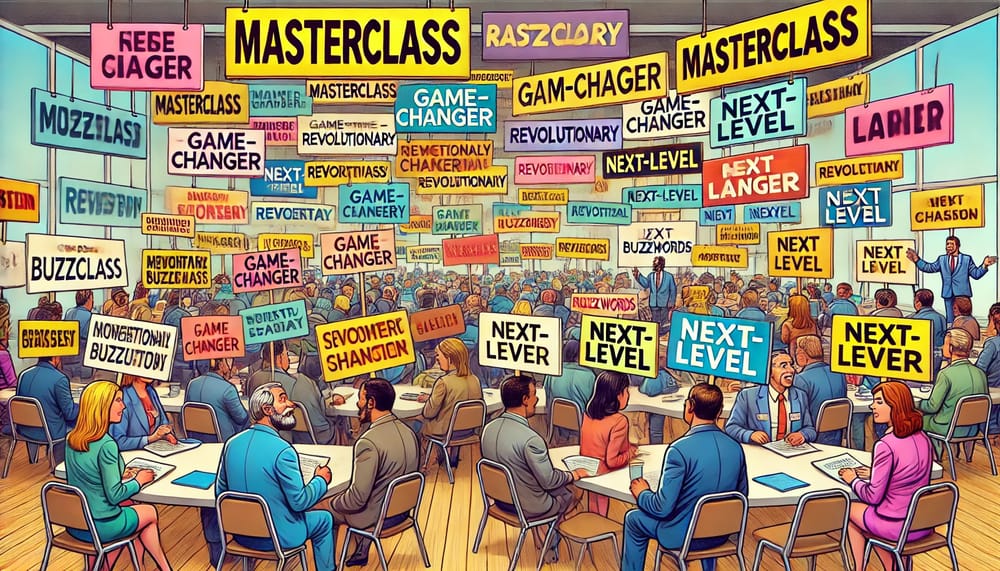
It seems like everywhere you look these days, someone is promoting a “masterclass.” Scroll through Instagram, check your LinkedIn feed, or browse a few YouTube ads, and you're bound to encounter this term plastered across a wide variety of webinars, courses, or workshops. However, as digital marketers who rely on the power of language to engage, persuade, and sell, it raises an important question: When everything is called a "masterclass," does the term lose its impact?
This blog will explore why the overuse of the word "masterclass" has led to a dilution of its meaning, how this undermines trust in marketing, and what we can do instead to create real value and build credibility in our industry.
What Does "Masterclass" Actually Mean?
Before we dig deeper, it’s worth unpacking the meaning of "masterclass." Traditionally, the term refers to a highly advanced class taught by an expert in a specific field. Think of a world-renowned pianist offering a workshop to budding concert musicians or a Michelin-starred chef demonstrating intricate techniques to culinary students.
The key components of a masterclass? Expertise, exclusivity, and depth. A masterclass isn’t just another lesson or tutorial. It’s an opportunity to learn directly from someone at the very top of their game.
But in the marketing world, "masterclass" has become a catch-all buzzword. From 30-minute webinars to beginner-level Zoom workshops, every form of online education is suddenly labeled as a "masterclass," even when it lacks the depth or teaching caliber the word implies.
The Problem with Overusing Buzzwords
For digital marketers, words are tools. But when those tools are overused or misused, they lose their sharpness. Here’s why the overuse of the term "masterclass" can harm your marketing efforts:
1. It Dilutes the Impact
When a term like "masterclass" is slapped onto virtually every piece of content, it stops being special. Over time, potential customers grow skeptical; they no longer associate the word with an elevated level of expertise or value. It becomes just another word in the crowded landscape of online marketing.
2. It Undermines Trust
Trust is a foundational pillar of marketing. Overpromising and under-delivering are surefire ways to fracture that trust. If a "masterclass" turns out to be a shallow, surface-level presentation, people feel misled. Once betrayed, they’re far less likely to engage with your brand—or recommend it to others.
3. It Confuses Your Audience
Clear communication is critical in marketing. Misusing terms like "masterclass" creates confusion about what your audience is actually signing up for. Is it an expert-led deep-dive into a topic? Or just an introductory overview aimed at beginners? By calling everything a "masterclass," you blur the lines and leave your audience unsure of what to expect.
How Did We Get Here?
It’s worth asking why marketers started overusing the term in the first place. The answer lies in the psychology of language and the crowded online education space:
- The Power of Prestige: "Masterclass" sounds authoritative, sophisticated, and aspirational. It carries an inherent promise of exceptional value, making it an attractive label for marketers who want to elevate their offers.
- Competition in Online Learning: With the surge of online courses, workshops, and webinars, marketers are under pressure to stand out. Labeling a webinar as a "masterclass" might seem like an easy way to grab attention and signal premium quality.
- Trickle-Down Effect: When major platforms like MasterClass gained traction by offering expertly produced courses by celebrities and industry leaders, other marketers saw an opportunity to borrow the term. Unfortunately, the gap in quality between those offerings and average marketing webinars led to misuse.
A Call for Authenticity in Marketing
As digital marketers, we have the responsibility—and the opportunity—to lead with authenticity. The overuse of buzzwords may yield short-term clicks, but to build long-term trust and engagement, we need to focus on honest, clear, and audience-centered communication.
Here’s how to avoid falling into the "masterclass" trap:
1. Use Accurate Descriptions
If your offering isn’t a true masterclass, don’t call it one. Be transparent about what you’re providing. Is it an introductory webinar? Call it that. Is it a hands-on workshop? Perfect—use that instead. Clear, accurate descriptions ensure your audience knows exactly what to expect.
2. Focus on Value, Not Hype
Instead of relying on buzzwords, focus on highlighting the tangible value of your content. What will your audience gain? Will they walk away with actionable strategies? Will they develop a specific skill? Lead with the benefits, not the label.
3. Deliver on Your Promise
Whatever term you use to describe your event or content, make sure it lives up to the promise. If you’re running a high-level expert session, ensure it’s packed with depth, insights, and actionable takeaways. Consistently delivering value is the best way to build trust and credibility.
4. Reserve "Masterclass" for Exceptional Offerings
The term "masterclass" still has power when used sparingly and appropriately. If you’re delivering an in-depth, expert-led session that dives deeply into a niche topic, then by all means, call it a masterclass. The scarcity of the term will make it far more compelling.
New Ways to Stand Out in the Crowded World of Marketing
If "masterclass" has lost its spark, how can you create attention-grabbing marketing content that truly resonates? Here are a few alternatives:
- Get Specific: Use titles and descriptions that clearly communicate the unique focus of your content. For example, instead of "SEO Masterclass," try "How to Drive 40% More Traffic with On-Page SEO."
- Highlight Outcomes: People care about what they’ll gain. Replace vague words like "masterclass" with phrases like "actionable strategies" or "expert insights."
- Leverage Storytelling: Share the story behind your topic or the value your content provides. Storytelling builds a personal connection and keeps your audience engaged.
Elevate Your Marketing with Meaningful Content
When everything is called a masterclass, nothing is. But that presents an incredible opportunity for digital marketers to stand out by doing things differently. Instead of leaning on overused buzzwords, focus on delivering value, being honest about what you offer, and building trust with your audience.
By doing this, you’ll not only elevate your marketing strategy but also play a role in bringing authenticity back to an industry that thrives on clear communication and genuine connections.
Are you ready to cut through the noise and redefine the way you market your content? Start today by examining your own use of buzzwords—and challenge yourself to describe your offerings with clarity and impact.
To learn the proper way to market your high end products, check out our flagship training.
Our flagship training can help you get started in High Ticket Affiliate Marketing, eLearning & Courses, Events and Masterminds, along with Coaching. These Core Four businesses allow digital marketers to earn online. We can get you started for just $5 with a 5 Day Challenge, and if you are not satisfied, we’ll give you BACK your money!
Listen to a Podcast review of this system as well.
Disclaimer: If you click on links we provide and make a purchase, we may receive compensation. There is never any guarantee of income in any of the links or programs we provide.


Tim Hewitt, Author
Tim is a Freelance Digital Marketer who specializes in helping other marketers to find ways to earn online. When you are frustrated with your prior efforts, Tim will help you find the way!
Copyright © 2026, The Digital Marketing Buzz | All Rights Reserved.