Receive Daily Blog Emails
You agree to receive daily blog emails a link to the full blog contents. You can unsubscribe at any time.
Be Sure To Check Your SPAM Folder For Your Welcome Message and WHITELIST Our Email So It Doesn't Go To SPAM In The Future!
What Is a Good Price to Pay a Creator for One Video Promoting a Product?
Thursday, June 19, 2025
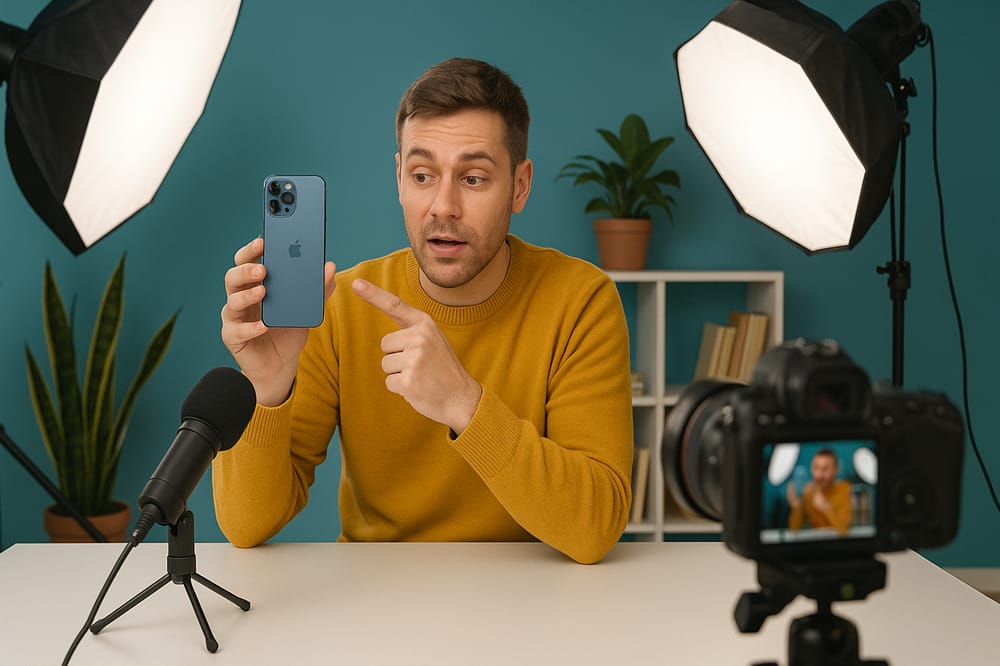
When influencer marketing became the big talking point in the digital marketing world, one of the first common questions that emerged was this one. What price should brands pay a creator to promote their product?
Whether you’re a small business looking to dip your toes into influencer marketing or an enterprise-level company making creators a key part of your marketing strategy, structuring the right deal for both parties is crucial. In this blog, we’ll break down common questions and factors to consider when working with content creators, all with the goal of helping you make well-informed, data-driven decisions.
How Much Do Creators Typically Charge?
Creator pricing varies significantly based on their reach, the type of content they produce, their audience engagement, and their level of expertise. It’s important to note that no one-size-fits-all price exists because creators aren't just charging for their time; they’re charging for their influence and impact.
Here’s a general guideline broken down by creator size:
- Nano-influencers (1K-10K followers): $50-$200 per video
- Micro-influencers (10K-50K followers): $200-$1,000 per video
- Mid-tier influencers (50K-500K followers): $1,000-$5,000 per video
- Macro-influencers (500K-1M followers): $5,000-$20,000 per video
- Mega-influencers (1M+ followers): $20,000+ per video
These estimates may fluctuate depending on the platform, niche, and specific deliverables required. For instance, a YouTube creator might charge significantly more than an Instagram or TikTok creator due to increased video production effort and YouTube’s longer content formats.
Pro tip: Use tools like Influencer Marketing Hub’s Influencer Earnings Calculator to get a rough idea of pricing based on follower count and engagement.
What Factors Influence a Creator's Pricing?
Several factors come into play when creators determine their rates. Here’s what you should look out for:
1. Follower Count vs. Engagement Rate
Don’t get caught up in the numbers game. More followers don’t necessarily equate to better results. A creator with 10,000 highly engaged followers might provide more value than one with 100,000 followers and a low engagement rate. Use engagement metrics like likes, comments, and shares to assess a creator's true worth.
2. Niche and Industry
Creators in high-demand niches, such as beauty, fashion, fitness, and tech, often command higher fees than those in less lucrative areas. For example, a tech reviewer who creates in-depth content may charge more than a lifestyle creator with similar reach.
3. Platform
The platform matters. Videos on platforms like YouTube and TikTok may cost more due to higher production efforts compared to short-form Instagram Stories or static posts. Additionally, campaigns geared towards LinkedIn may carry professional premium fees.
4. Experience and Expertise
Creators with years of experience working with brands and a proven track record of successful campaigns will understandably charge more. Their expertise often ensures smoother collaborations and higher-quality deliverables.
5. Deliverables
Remember to define specifics. Is the creator producing a 30-second product demo, a 5-minute unboxing video, or a long-form tutorial? More effort will often require higher compensation.
6. Usage and Rights
If you plan to use the creator’s video on channels outside of their platform—for example, in paid ads or email marketing campaigns—be prepared to pay extra for extended usage rights and licensing.
7. Exclusivity
If you’re asking for a creator to abstain from promoting competitors for a certain period, this exclusivity comes at a heightened cost.
Actionable insight: Be clear about your campaign goals. Is it brand awareness, traffic, conversions, or all of the above? Aligning goals with the creators’ value will help you justify pricing.
Should You Offer Flat Rates or Performance-Based Compensation?
Both flat rates and performance-based compensation have their pros and cons. Deciding between them depends on your budget and campaign goals.
Flat Rates
Flat rates are the most common pricing structure. You agree on a pre-defined fee for the content, which allows for clarity and predictability in budgeting.
Pros:
• Simple and straightforward.
• No surprises in billing.
Cons:
• No direct link to performance ROI.
Performance-Based Compensation
This approach ties some or all payments to campaign outcomes, such as clicks, purchases, or sign-ups generated through the content.
Pros:
• Low upfront risk for brands.
• Puts emphasis on measurable results.
Cons:
• Less appealing to established creators with significant followings, who generally prefer upfront payment.
Hybrid Option: Some marketers opt for a hybrid structure (e.g., a modest upfront payment + performance incentives), providing creators with a security net while encouraging high-quality work that drives results.
What Is the Best Way to Negotiate with Creators?
Negotiating with creators requires a mix of transparency, flexibility, and understanding of their value. Here are some tips:
1. Understand Their Offerings
Before negotiating, make sure you’ve reviewed their portfolio, audience data, and previous brand partnerships. Understand what they bring to the table.
2. Be Upfront About Your Budget
Instead of pushing creators for their lowest rate, be honest about your available budget. Approach discussions professionally to foster a positive partnership.
3. Offer Additional Value
If you’re working on a tight budget, consider offering incentives like free products, affiliate referral earnings, or long-term collaborations.
4. Respect Their Creativity
Content creators know their audience better than anyone. Give them the creative freedom to craft authentic content rather than enforcing overly rigid scripts.
5. Agree on Metrics and Deliverables in Advance
Ensure both parties are clear on expectations regarding posting deadlines, revisions, and content rights.
Pro Negotiation Tip: Build long-term relationships instead of one-off collaborations. Creators are often more flexible with pricing when there’s an opportunity for recurring work.
How Can You Ensure a Good ROI on Creator Campaigns?
Paying the "right price" only matters if you’re calculating ROI effectively. Here’s how to ensure you’re getting value:
• Set Clear Campaign Goals
Are you looking for clicks, conversions, brand awareness, or something else? Clear goals help measure results.
• Use Trackable Links and Codes
Provide creators with UTM-tagged links or promo codes so you can track exactly how much revenue or engagement they’re delivering.
• Analyze Engagement Metrics
Don’t just look at likes. Track comments, shares, and click-throughs to gauge audience interest and intent.
• Monitor Sales ROI
Calculate how much revenue each creator generates compared to their fee. For example, if you pay $1,000 and their campaign drives $5,000 in sales, the ROI is clear.
Pro Insight: Many creators prefer upfront payments, but offering small performance bonuses when they drive exceptional results encourages a win-win partnership.
Maximize Your Influence with the Right Creator Partnerships
Partnering with content creators is one of the most impactful and scalable ways to promote your product in today’s digital landscape.
Pricing discussions may seem daunting, but as long as you evaluate the critical factors mentioned above, stay transparent, and negotiate respectfully, you’ll foster lasting relationships that deliver long-term value.
Want to learn more about leveraging influencer marketing for your brand? Come hang out in my free Mastermind Group. Sign up [here].


Tim Hewitt, Author
Tim is a Freelance Digital Marketer who specializes in helping other marketers to find ways to earn online. When you are frustrated with your prior efforts, Tim will help you find the way!
Copyright © 2026, The Digital Marketing Buzz | All Rights Reserved.