Receive Daily Blog Emails
You agree to receive daily blog emails a link to the full blog contents. You can unsubscribe at any time.
Be Sure To Check Your SPAM Folder For Your Welcome Message and WHITELIST Our Email So It Doesn't Go To SPAM In The Future!
What is the Proper way to use Urgency and Scarcity in Marketing?
Saturday, June 21, 2025
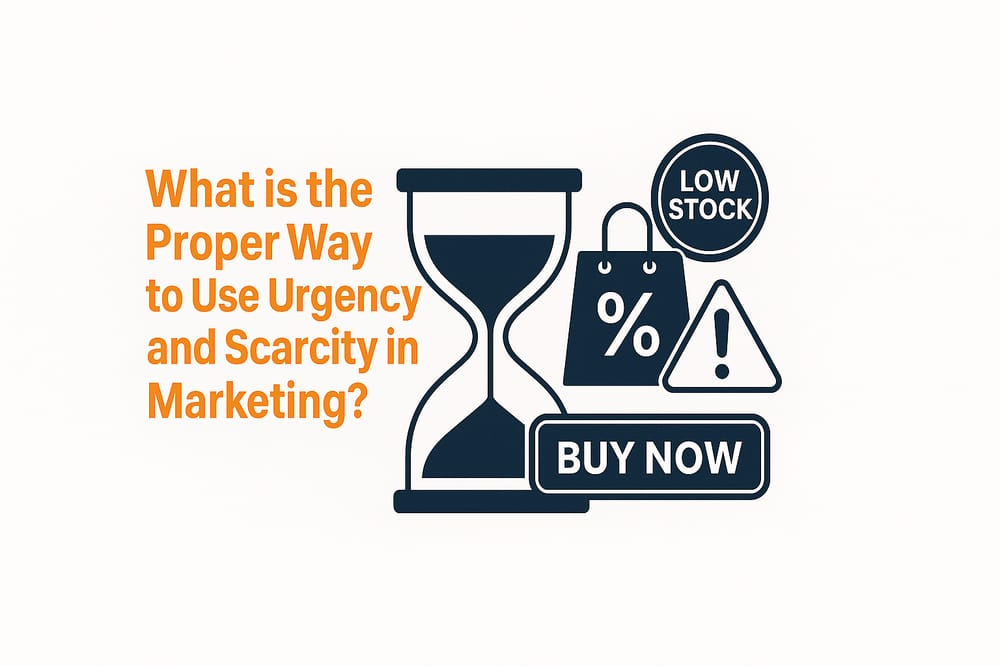
Urgency and scarcity are powerful psychological triggers that compel action. Whether it’s a countdown clock on an e-commerce site or “only 5 left in stock” messaging, these techniques can significantly boost conversions. However, when overused or applied dishonestly, they can erode trust and damage brand reputation.
For digital marketers, mastering urgency and scarcity isn’t about manipulation; it’s about employing them effectively while maintaining integrity. This blog will explore how to use these strategies the right way. You’ll learn why authenticity, transparency, and trustworthiness are non-negotiable in today’s competitive marketing landscape.
Why Urgency and Scarcity Work
Before we jump into the "how," let's cover the "why." Urgency and scarcity operate on psychological principles:
- Scarcity taps into the fear of missing out (FOMO). Seeing limited availability makes people feel the need to act quickly before the item is gone forever.
- Urgency plays on the idea that time is fleeting, nudging users to act before it's too late.
When combined, these tactics create a sense of immediacy that can spur potential customers into action. But beware - false urgency and manufactured scarcity can undermine your credibility. Here’s how to avoid that pitfall while still leveraging this powerful tool.
Must Be Real
Authenticity First
Fake scarcity is one of the quickest ways to lose customers' trust. Many consumers today are savvy and can detect when a sales tactic is less than genuine. For example, if every product on your website constantly says "Only 1 left in stock," people will begin to question the truth of your claims.
Instead, be honest about availability or limited-time offers:
- Highlight actual stock levels that are genuinely low, e.g., “Limited run of 50 units.”
- • Use real expiration dates for offers, ensuring they’re tied to internal business realities like upcoming product releases or seasonal transitions.
Example
Brands like Patagonia emphasize sustainability and truly limited runs of products. When they say, “Once it’s gone, it’s gone,” customers know they mean it.
Avoid Overuse
If every single marketing message plays on urgency or scarcity, it will eventually lose its effectiveness. Reserve these tactics for significant moments, such as a product launch, end-of-season clearance, or exclusive event. This ensures they retain their impact when you use them.
Pro Tip
Use scarcity sparingly in marketing automation. For example, for cart abandonment emails, mention low stock levels only if they’re actually true.
Must Be Honest
Transparency in Messaging
Your audience appreciates honesty, and it is critical when utilizing urgency or scarcity. If your campaign features a countdown timer for a sale, ensure the sale actually ends when the timer expires. Artificially extending it will undermine your authenticity.
Here’s an example of honest messaging:
- Dishonest: "Only 1 day left!" then the same message runs again tomorrow.
- Honest: "Sale ends at midnight on Friday. Act now!"
Using phrases like "Limited Edition" or "Exclusive Offer" should only be used if those claims are accurate. Misleading marketing will not only fail to convert but can also lead to negative reviews and social media backlash.
Data-Driven Scarcity
A great way to implement honesty in scarcity is by using real-time data. For example:
- Show how many items are left in stock based on actual inventory.
- Display the number of views or purchases, e.g., "150 people viewed this product today."
Tools to Get It Right
Platforms like Shopify or WooCommerce offer real-time stock counters, while urgency-building apps can integrate with your e-commerce setup to display accurate numbers.
Trust is Paramount
Build Long-Term Relationships
Effective urgency and scarcity enhance conversions, but they’re most impactful when they’re part of a larger strategy to build trust and loyalty. Customers are more likely to act on FOMO when they have a positive relationship with your brand and know you consistently deliver on your promises.
For example:
- If you're an email marketer sending "last chance to save" messages, pair them with a track record of valuable content that subscribers genuinely enjoy.
- If you feature "only 3 left," make sure those customers receive precisely what they've ordered without delays.
Back it Up with Social Proof
Friendly nudges work even better when combined with trust signals such as:
- Customer Reviews: "100+ customers love this product!"
- Case Studies for B2B Audiences: Share examples illustrating how companies benefited from acting on an exclusive deal.
Focus on Ethical Marketing
Transparency and ethical practices aren't just good for business. They also future-proof your marketing efforts in an era where honesty has become a key differentiator.
Case Study
Amazon frequently uses honest scarcity to drive sales. You’ll notice “Only 3 left in stock” notices for specific items. These warnings are powered by real-time inventory data, creating urgency based on actual facts.
Actionable Strategies for Ethical Scarcity and Urgency
Here are a few practical ways to implement urgency and scarcity without compromising trust:
1. Seasonal Offers:
Run sales tied to specific events or holidays to create a credible deadline.
2. Exclusive Membership Deals:
Offer limited-time benefits exclusively for loyalty program members or returning customers.
3. Time-Limited Bundles:
Combine complementary products with an expiration date to encourage higher cart values.
4. Pre-Orders for Limited Editions:
Clearly communicate that items are available only through pre-orders, creating scarcity for high-demand products.
Learn When to Hold Back
Finally, understand when urgency and scarcity may not be the best fit for your audience. For example, brands focusing on sustainability or slow fashion might emphasize thoughtful, conscious purchases instead of promoting urgency.
Building Ethical Urgency Drives Long-Term Success
When applied authentically and respectfully, urgency and scarcity can be powerful motivators for digital marketers. They create excitement, encourage action, and boost conversion rates. But they must be grounded in reality and honesty. Outdated tactics like fake countdown timers or misleading stock notifications are increasingly frowned upon by savvy customers.
Remember, trust is harder to earn than a quick sale. Ethical urgency ensures your current gains won’t come at the expense of future customer loyalty.
Are you looking for an efficient way to optimize your campaigns while maintaining ethical marketing practices? Our Selling Secrets course may be just what you are looking for. Limited slots are available each week, so check out how soon you can sign up at this link.

Tim Hewitt, Author
Tim is a Freelance Digital Marketer who specializes in helping other marketers to find ways to earn online. When you are frustrated with your prior efforts, Tim will help you find the way!
Copyright © 2026, The Digital Marketing Buzz | All Rights Reserved.