Receive Daily Blog Emails
You agree to receive daily blog emails a link to the full blog contents. You can unsubscribe at any time.
Be Sure To Check Your SPAM Folder For Your Welcome Message and WHITELIST Our Email So It Doesn't Go To SPAM In The Future!
The Truth About Using Mistakes in Social Media Posts to Drive Engagement
Wednesday, February 19, 2025
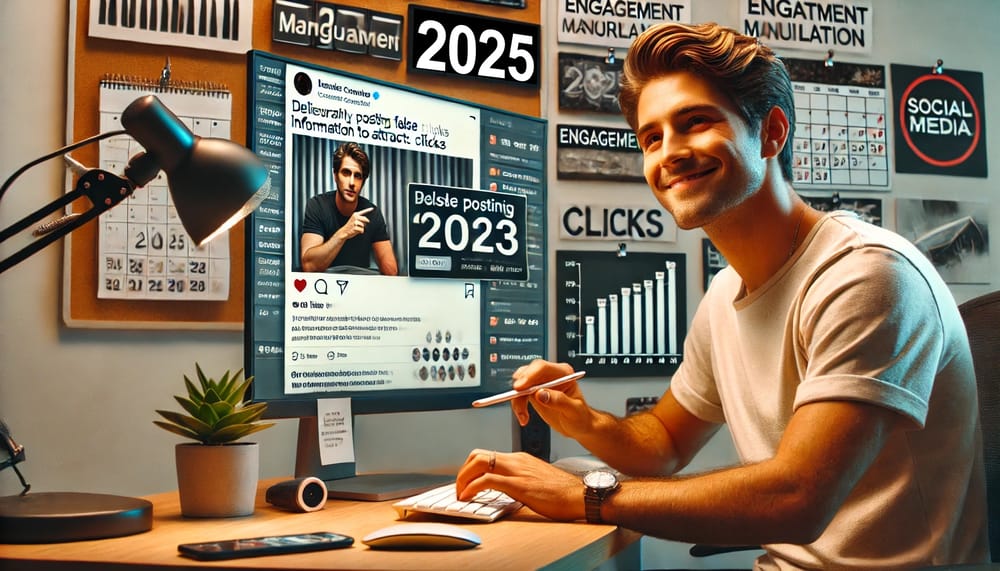
Typos. Wrong dates. Incorrect spellings. You've likely seen them spark discussions and debates in social media comment sections. But is leaning into mistakes—or even intentionally crafting errors—a solid social media engagement strategy? For digital marketers, this might seem like a quick and clever tactic, but it begs the question: where should we draw the line between intentional engagement and brand integrity?
This blog dives into the pros, cons, and important considerations of using mistakes in social media posts, helping digital marketers decide whether this strategy aligns with their brand goals.
How Mistakes Create Engagement
Did you know that a tiny error in your content could lead to an explosion of comments and shares? Here's why:
• Psychological Pull of Correcting Others
People love spotting and correcting mistakes. It feels rewarding and plays into natural human tendencies to demonstrate knowledge or expertise publicly. When someone notices an error in a post (like a typo), they're often quick to comment, turning your post into a conversation starter.
• Viral Domino Effect
One correction leads to another. Then another. Before you know it, the visibility of your content is rising as the platform’s algorithm notices the increased activity.
• Comment Controversy and Humor
Mistakes often lead to debates (Was the mistake intentional? What does this say about the brand?) or humor (expect memes and witty corrections). This creates buzz that can capture the attention of people outside your usual audience.
The Pros of Mistake-Based Social Media Strategies
There are undeniable upsides to this type of engagement. Here’s why some marketers consider this a viable strategy:
1. Boosted Visibility
On platforms like Facebook, Instagram, LinkedIn, and TikTok, engagement is king. Higher engagement rates—whether comments, replies, or shares—signal relevance. This often results in the content being pushed to more users.
2. Cost-Effective Content Amplification
Chasing engagement usually requires effortful creativity, big budgets for ad boosting, or influencer partnerships. A small (and strategically placed) typo could gain similar levels of visibility without additional cost.
3. Viral Potential
Content that sparks conversation is likely to be shared broadly, increasing your audience reach beyond organic followers. When done well, your mistake could make its way into trending conversations.
4. Highlighting Your Brand’s Playfulness
If executed with a self-aware tone, minor mistakes can break the mold and show that a brand doesn’t take itself too seriously. This can work wonders for more casual or youthful brands looking to connect on a relatable level.
The Risks and Pitfalls of Intentionally Mistake-Laden Strategies
Despite the potential benefits, mistake-driven strategies can backfire in some surprising (and not so surprising) ways:
1. Damage to Brand Credibility
If your business is rooted in expertise—think finance, health, or legal advisory—a single error could be interpreted as sloppy or untrustworthy. For example, if you're a mortgage lending company and post an outdated interest rate, correcting that “mistake” might have unintended consequences.
2. Audience Mistrust
Audiences are getting savvier. If consumers think you're manipulating their emotions with fake errors, it risks alienating your followers. Trust, once lost, is hard to regain.
3. Unintended Offensive Errors
A seemingly minor mistake (e.g., using a wrong historical date or cultural reference) might unintentionally offend part of your audience. Even if the mistake wasn’t deliberate, the fallout could harm your brand for the long term.
4. Dependence on Gimmicks
Relying too much on errors as a strategy can pigeonhole your content as clickbaity. To maintain consistent engagement, you’ll eventually need to move beyond gimmicks and deliver substantial value.
Intentional Versus Unintentional Mistakes: What’s the Difference?
To ensure you're using mistakes strategically, it's important to understand when they should be deliberate and when to avoid them at all costs.
Intentional Mistakes
These are carefully planned errors that drive engagement but still align with a brand's voice and strategy. For example:
• A tweet saying, “Who remebers what life was like before Tik Tok?” could prompt playful responses while avoiding any brand harm.
Unintentional Mistakes
Unintentional errors occur due to oversight, such as publishing incorrect product information or accidentally using offensive language. These can harm your credibility and require timely apologies or corrections.
Key Tip: If you’re planning an intentional error, make sure it’s lighthearted and unmistakably harmless.
When (and How) to Use Mistakes as an Engagement Strategy
Mistake-based posts work best within certain contexts or for specific types of brands. Ask yourself these questions before proceeding:
Is My Brand Relatable or Playful?
Mistakes can work for consumer brands with a casual tone—think food chains, clothing brands, or playful tech companies. If your audience enjoys lighthearted humor, an intentional error can add a layer of fun to your content.
Will It Add Value to the Conversation?
The mistake needs to serve a purpose. Simply posting something careless doesn’t guarantee meaningful engagement. Tie your error to something valuable—like sparking nostalgia or gathering audience opinions.
Am I Prepared for the Backlash?
Even seemingly innocent mistakes might trigger unexpected reactions. Be ready to monitor comments and respond appropriately to ensure the conversation aligns with your goals.
How to Execute This Strategy Effectively
Here are practical steps to try a mistake-driven post without damaging your brand:
1 Choose Your Mistake Wisely
Pick something noticeable but inconsequential, like a playful misspelling or a humorous factual error.
2 Test the Waters
Start small—use a post with an intentional error on a secondary channel before rolling it out widely.
3 Monitor Closely
Engage with commenters and stay active in the discussion. Show your audience you’re listening, and steer the conversation if needed.
4 Transition to Value-Based Content
Once the engagement snowball starts rolling, use the increased visibility for follow-up posts showcasing your core value or service.
Safer Alternatives for Driving Engagement
If mistake-driven content feels too risky for your brand, consider these alternative strategies:
• Opinion Polls
Ask your audience a divisive question or prompt them to vote on an industry trend.
• Fill-in-the-Blanks Post
For example, “The worst marketing buzzword is ______. Go!”
• Behind-the-Scenes Posts
Take your audience behind the curtain of your operation—a strategy that builds transparency and trust.
• Throwback Content
Post nostalgic content or ask questions about past trends, sparking informal debates.
Masterful Engagement Without Losing Brand Integrity
Mistakes—when used with intention and care—can be a powerful engagement tool for digital marketers, but they’re not without risk. Keep your brand tone and goals in mind, and never prioritize fleeting attention over long-term credibility. Remember, people crave engaging, meaningful content. Mistakes can open the door, but it’s your unique brand value that will keep audiences coming back.
Don’t want to take chances? Opt for evergreen engagement strategies instead. Deliver value and build genuine connections with your audience one meaningful post at a time.
We have an incredible new course that will literally change the way you think about yourself in business as well as in life, to improve any specific portion of your life! Whether you are struggling with a personal relationship, or struggling with any aspect of your business, this 5 Step Process is truly a game changer.
We have a Podcast Available as well.
Disclaimer: If you click on links we provide and make a purchase, we may receive compensation. There is never any guarantee of income in any of the links or programs we provide.


Tim Hewitt, Author
Tim is a Freelance Digital Marketer who specializes in helping other marketers to find ways to earn online. When you are frustrated with your prior efforts, Tim will help you find the way!
Copyright © 2026, The Digital Marketing Buzz | All Rights Reserved.