Receive Daily Blog Emails
You agree to receive daily blog emails a link to the full blog contents. You can unsubscribe at any time.
Be Sure To Check Your SPAM Folder For Your Welcome Message and WHITELIST Our Email So It Doesn't Go To SPAM In The Future!
Qualifying Your Leads with Micro-Commitments
Tuesday, June 24, 2025
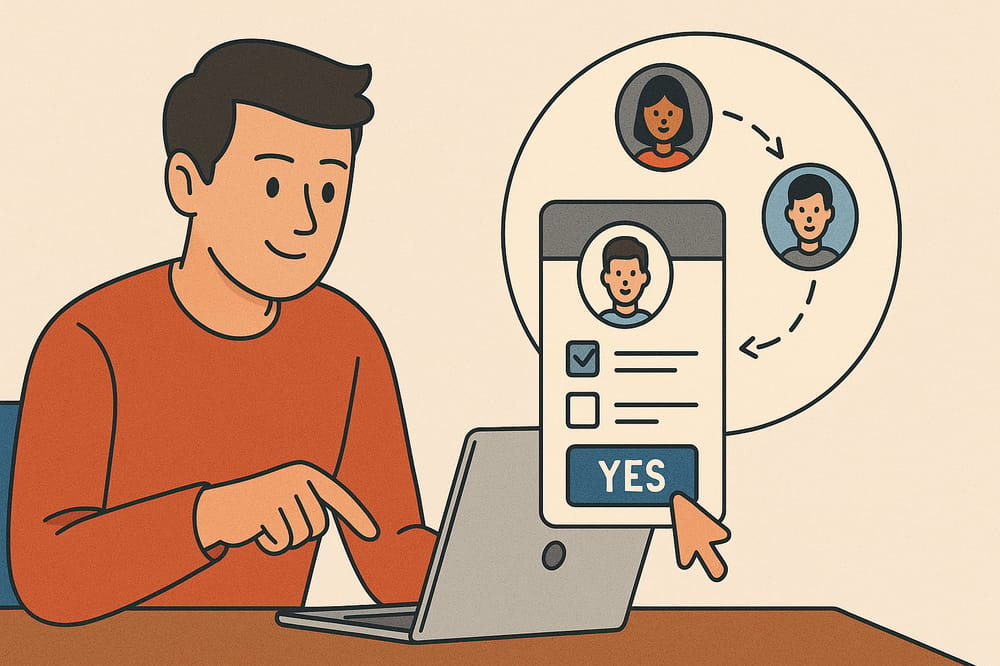
Qualifying leads is one of the most critical steps in any sales or marketing strategy. But how do you ensure you’re spending time and effort on leads who will genuinely pay off? The solution lies in micro-commitments.
By encouraging small, low-stakes interactions with potential prospects, you can better filter qualified leads, increase engagement, and close more deals. This blog explains what micro-commitments are, how they work, and how to leverage them to transform your lead qualification process.
What are micro-commitments?
Micro-commitments are small actions prospects take that demonstrate interest and investment in your product or service. These actions don’t require a massive effort but build momentum toward a larger decision, like making a purchase, signing up for a consultation, or booking a demo.
Examples of micro-commitments include:
- Clicking on an email link
- Filling out a short form
- Downloading a resource (e.g., a free eBook)
- Registering for a webinar
- Engaging with a social media post
- Scheduling a callback or meeting
These small actions allow you to gauge the prospect’s interest level. If they engage with several micro-commitments throughout the funnel, they’re highly likely to convert into paying customers.
Why are micro-commitments important for lead qualification?
Micro-commitments serve as more than just small interactions; they’re a way to:
- Filter genuine leads from uninterested users.
- Build trust incrementally, lowering resistance as the customer proceeds through your funnel.
- Keep prospects engaged, reducing drop-off rates.
For businesses, micro-commitments are an efficient, non-intrusive way to focus time and energy only on the customers most likely to convert.
The psychology behind micro-commitments
Micro-commitments tap into the psychological principle known as the foot-in-the-door effect, wherein people who agree to a small request are more likely to agree to a larger request later. Once a prospect takes the first step (even something as simple as clicking a CTA), they perceive themselves as more invested in engaging with the brand. This snowball effect builds momentum, leading to a stronger, more qualified lead pipeline.
Another powerful element of micro-commitments is the perceived low risk. No one wants to feel pressured into making a big decision, especially in B2B or high-stakes purchases. Micro-commitments feel manageable, straightforward, and safe while still guiding prospects down the funnel.
How to use micro-commitments to qualify your leads
Here’s a step-by-step approach to using micro-commitments effectively to identify and nurture high-quality leads:
Step 1. Start with personalized outreach
Generic messaging does little to engage today’s consumers. To maximize your chances of completing the first micro-commitment, make your outreach personalized and relevant. Use data you already have about the lead, such as:
- Their name
- Their role or business needs
- Past interactions with your brand
Example:
Instead of saying, “Download our free energy audit guide,” try, “Hi [Name], did you know your annual electricity savings could reach up to 20% with solar solutions? Click here to calculate your potential savings.”
A personalized touch not only catches attention but also creates a relatable experience that leads are more likely to engage with.
Step 2. Start small with initial asks
When designing your funnel, keep in mind that the first ask should be effortless and low-risk. This could mean:
- Asking for just an email instead of a full form
- Encouraging a simple click to learn more
- Inviting them to download a free resource
For instance, many brands create gated content (e.g., eBooks, reports, or whitepapers) that require users to provide only their email information. This is less intimidating than asking for a phone number or initiating a sales call, making it an effective entry point.
Step 3. Offer clear value
Every micro-commitment must provide something of value to the customer. For example:
- A free guide that solves a specific pain point (e.g., "5 Time-Saving Strategies for Busy Entrepreneurs")
- A brief assessment or quiz that gives actionable, personalized insights (e.g., "Discover Your Marketing Weak Spot in Two Minutes")
When leads feel like they’ve gained value, they’re more likely to continue through additional steps in the funnel.
Step 4. Use scarcity and urgency
Scarcity and urgency are excellent motivators to move leads toward micro-commitments. For example, you might include:
- A countdown timer for an exclusive offer
- Limited spots for a free consultation
- Time-sensitive messaging (e.g., "Book your demo by Friday to secure a 20% discount")
Scarcity taps into the fear of missing out (FOMO), compelling leads to take quick action.
Step 5. Track micro-commitment interactions
Use tracking tools to monitor how leads respond to your micro-commitments. Key metrics might include:
- Form completion rates
- Click-through rates (CTRs)
- Event or webinar attendance
- Email follow-up responses
Analyzing these behaviors in a CRM or marketing platform (like HubSpot or Salesforce) allows you to score your leads based on engagement. Higher engagement corresponds to higher qualification, which lets you focus on maximizing those leads while deprioritizing unengaged ones.
Step 6. Gradually raise the stakes
Once a lead has completed several micro-commitments, you can introduce more substantial asks, such as:
- Booking a free product demo
- Signing up for a trial
- Having a sales call with your team
Because they’ve already taken smaller steps, these bigger commitments now feel natural and unforced.
Real-world example of micro-commitments in action
Take Bradley, a young solar panel salesperson who increased his close rate after implementing micro-commitments. Initially, his strategy involved door-to-door cold pitches. However, once he began using personalized letters and securing small commitments (e.g., appointment scheduling), his conversion rates soared. By the end of the campaign, he was awarded “Top Salesman” for his remarkable success.
This example illustrates how even traditional sales techniques can blend seamlessly with micro-commitment strategies to achieve exceptional results.
Unlock your sales potential with micro-commitments
Adopting micro-commitments isn’t just about qualifying leads; it’s about building relationships, earning trust, and adding value at every stage.
Are you ready to elevate your marketing strategy? Start small, personalize your outreach, and nurture your leads step by step.
For more insights on lead qualification strategies, join my free mastermind group at [this link].


Tim Hewitt, Author
Tim is a Freelance Digital Marketer who specializes in helping other marketers to find ways to earn online. When you are frustrated with your prior efforts, Tim will help you find the way!
Copyright © 2026, The Digital Marketing Buzz | All Rights Reserved.