Receive Daily Blog Emails
You agree to receive daily blog emails a link to the full blog contents. You can unsubscribe at any time.
Be Sure To Check Your SPAM Folder For Your Welcome Message and WHITELIST Our Email So It Doesn't Go To SPAM In The Future!
How to Combat Misinformation on Social Media About Digital Marketing
Sunday, February 23, 2025
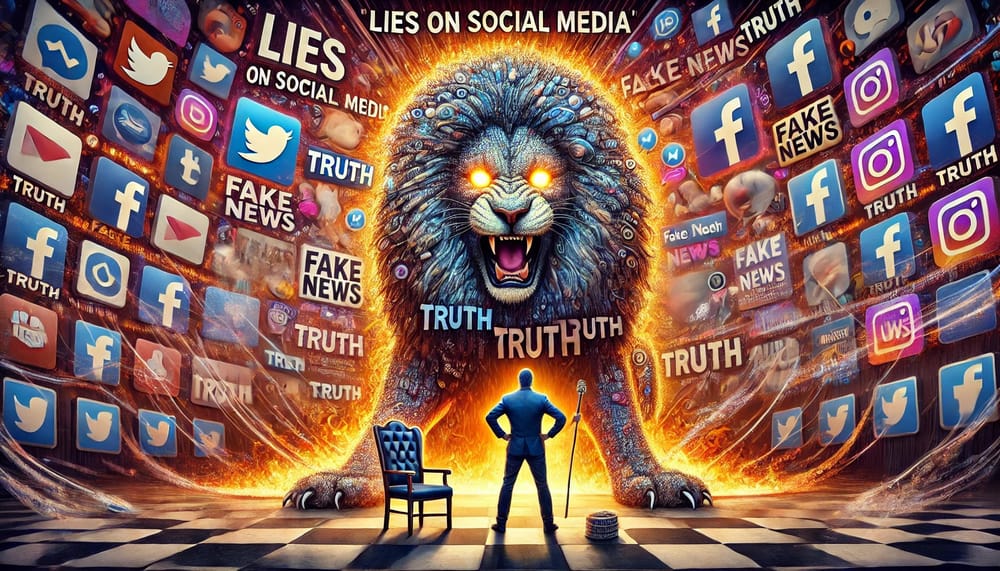
Misinformation is the bane of the digital age, and social media has only amplified its reach. From oversimplified hacks to outright false claims like “SEO is dead” or “Hashtags don't matter anymore,” the digital marketing industry is fraught with misconceptions. For digital marketers, this misinformation doesn’t just confuse clients—it can also harm campaigns and undermine trust in your expertise.
But while misinformation is everywhere, it’s not undefeatable. This guide will show you practical steps you can take to not only counter misinformation but establish yourself as a trusted marketing expert. Here’s how you can identify, address, and prevent the spread of bad information in the digital marketing space.
Why Misinformation About Digital Marketing Thrives
To successfully combat misinformation, you first need to understand why it spreads so widely on social media. Some of the main reasons include:
- The Low Barrier to Entry: Anyone with a smartphone and an opinion can call themselves a "marketing guru." Unfortunately, their advice often lacks real insight, relying on viral trends rather than tried-and-true tactics.
- Clickbait Culture: Social media thrives on attention-grabbing headlines. Think of phrases like "Get 10,000 followers overnight!" While these claims generate views, they oversimplify complex strategies, misleading audiences.
- Evolving Algorithms: Platforms like Google and Facebook update their algorithms frequently, leading to confusion among marketers and audiences. Speculations and false claims thrive in the absence of clear, timely education.
- The Appeal of Quick Results: Businesses and clients are often looking for shortcuts. Promises of instant SEO boosts or “hacks” to beat algorithms are far more appealing than hard work and consistent strategies.
Now that we know why misinformation flourishes, here’s how to minimize its impact.
Step 1: Spot Digital Marketing Misinformation
Before you can correct it, you need to know how to identify misinformation in the first place. Here are some red flags to watch out for:
1. Oversimplified “One-Size-Fits-All” Advice
Statements like “SEO is irrelevant in 2025” or “Stop using Facebook ads, they’re dead” tend to ignore key nuances. These types of blanket advice are rarely accurate because every business and campaign is different.
2. Lack of Credible Sources
Is the claim coming from a reputable source like a trusted marketing blog (e.g., Neil Patel, HubSpot) or industry leaders? If not, take it with caution. Multiple credible studies and opinions should back any significant claim.
3. Extreme Promises
Phrases like “Grow your following by 10X in 30 days!” indicate misinformation more often than not. Effective, ethical marketing is rarely about quick wins—it’s about consistent, strategic effort.
4. Outdated or Misinterpreted Trends
Some misinformation is a result of outdated knowledge. For example, someone might claim, “Keywords no longer matter for SEO,” which ignores how keyword usage has simply evolved to fit user intent better.
Pro Tip: Set up Google Alerts for terms like “SEO myths” or “marketing trends debunked” to stay ahead of misinformation.
Step 2: Lead With Evidence-Based Education
One of the most effective strategies to fight misinformation is replacing it with well-researched, actionable content. Here’s how you can do that:
Create Debunking Content
Debunk common myths in your niche. For example:
- Write a blog post titled “5 Social Media Marketing Myths You Need to Stop Believing.”
- Create Instagram carousels breaking down popular myths with bite-sized facts and case studies.
- Go live on LinkedIn or host webinars talking about “What Actually Works in SEO This Year.”
Cite Reliable Sources
Always reference studies, surveys, and case studies from respected organizations. HubSpot, Hootsuite, and Statista often publish accurate, research-backed data on digital marketing trends.
Showcase Real-world Results
Sharing case studies of campaigns you’ve worked on can quickly dispel misinformation. For example, if someone claims “Hashtags no longer work on Instagram,” show metrics from a recent campaign where hashtags boosted discoverability by 40%.
Partner With Industry Experts
Collaborate with trusted voices in the digital marketing space through podcasts, co-authored articles, or guest webinars. Having multiple experts weigh in can further solidify credibility.
Step 3: Engage in Social Media Conversations
Social media is both the vehicle for misinformation and the most effective battleground for debunking it. Here’s how to actively engage in those discussions:
1. Respond to Misinformation Publicly
If you spot a post spreading incorrect advice, politely challenge it. Use comments, tweets, or replies to present accurate information and encourage meaningful dialogue.
• Example Comment on a LinkedIn post claiming “SEO doesn’t work in 2023”:
“Great conversation here! While SEO has evolved, it absolutely remains essential, especially for driving long-term organic traffic. Approaches like focusing on user intent and quality content can still yield excellent results. Happy to share more resources if anyone’s interested!”
2. Use Humor Where Appropriate
Sometimes a lighthearted tweet or meme can go a long way in highlighting the absurdity of certain claims while keeping the tone friendly. For example, you could create a meme that jokes about the mythical “SEO hack that’ll rank you #1 overnight.”
3. Share Content in Niche Communities
Participate in marketing-focused Facebook groups, subreddits like r/digital_marketing, or LinkedIn groups. Regularly share high-value content there to position yourself or your brand as a reliable source.
4. Stay Professional, Not Combative
It’s tempting to be dismissive when encountering bad advice, but always keep your tone respectful. Debates grounded in fact are far more effective than arguments.
Step 4: Empower Your Audience to Vet Information
Empowering others to recognize and question misinformation creates more informed buyers and colleagues. Here’s how to do it:
• Share Fact-Checking Tips
Teach your audience to ask questions like, “Is there data to back this claim?” or “Does this advice apply to my specific industry?”
• Provide Resources
Create or share simple guides like “How to Spot Fake Marketing Tips on Social Media” or include reliable blogs and sites they can follow for accurate updates.
• Encourage Questions
Use Instagram Stories, LinkedIn polls, or live Q&A sessions to directly address your audience's concerns or bust any myths they’ve come across.
Step 5: Build Trust and Thought Leadership
Consistently positioning yourself or your brand as an authority figure is key to countering misinformation. People will turn to you as a credible source instead of relying on dubious claims.
Publish Thought Leadership Content
Write in-depth articles or blogs addressing not just myths but larger shifts in the marketing landscape. Topics like “How Google’s Core Updates Actually Impact SEO” can help establish expertise.
Stay Transparent
If results take time or a strategy involves complexities, explain this openly. It’s better to manage client expectations realistically than overpromise and underdeliver.
Stay Updated Yourself
Misinformation thrives in a vacuum; staying informed ensures you’re always one step ahead. Follow reputable sources, attend industry webinars, and connect with marketing communities to stay sharp.
Transform the Narrative With Accurate Information
Digital marketing is complex, but it’s a complexity worth mastering. Fighting misinformation isn’t just about setting the record straight—it’s about leading with transparency, education, and integrity. By engaging with your audience, offering actionable insights, and staying credible, we can reclaim the conversation and help more businesses see the true value of data-driven marketing.
Do you want to learn about the latest trends without the myths?
Our flagship training can help you fight the lies and get started in High Ticket Affiliate Marketing, eLearning & Courses, Events and Masterminds, along with Coaching. These Core Four businesses allow digital marketers to earn online. We can get you started for just $5 with a 5 Day Challenge, and if you are not satisfied, we’ll give you BACK your money!
Listen to a Podcast review of this system as well.
Disclaimer: If you click on links we provide and make a purchase, we may receive compensation. There is never any guarantee of income in any of the links or programs we provide.


Tim Hewitt, Author
Tim is a Freelance Digital Marketer who specializes in helping other marketers to find ways to earn online. When you are frustrated with your prior efforts, Tim will help you find the way!
Copyright © 2026, The Digital Marketing Buzz | All Rights Reserved.