Receive Daily Blog Emails
You agree to receive daily blog emails a link to the full blog contents. You can unsubscribe at any time.
Be Sure To Check Your SPAM Folder For Your Welcome Message and WHITELIST Our Email So It Doesn't Go To SPAM In The Future!
How to A/B Test Facebook Ads Effectively Without Breaking the Bank
Monday, July 14, 2025
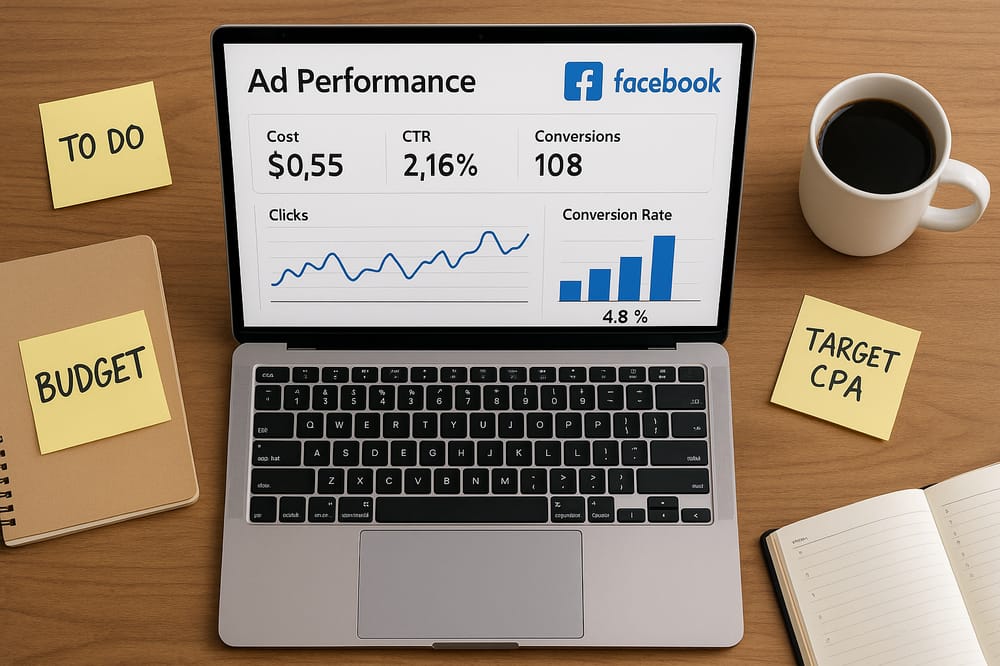
Running Facebook ads can make a big impact for your brand, but how do you know if your efforts are as effective as they could be? The answer lies in A/B testing—a simple yet powerful way to optimize your ads and get more bang for your buck. The good news? You don’t need to be a tech whiz or have a huge budget to make A/B testing work for you.
This guide will walk you through what A/B testing is, why it matters, and how to begin testing your Facebook ads in a way that’s approachable, cost-friendly, and set up for success.
What Is A/B Testing and Why Is It Important?
A/B testing (also known as split testing) allows you to compare two variations of an ad to see which one performs better. By testing small changes to your ads, you can gain valuable insights into what resonates with your audience and improve your ad performance over time.
Why Should You Care?
- Maximize ROI: Focus your budget on what works best.
- Understand Your Audience: Learn what truly engages your customers.
- Boost Performance: Even minor tweaks can lead to higher click-through rates or conversions.
A/B testing removes the guesswork, helping you refine your strategy step by step.
How to Set Up a Facebook A/B Test (Without Overspending)
Getting started doesn’t have to be intimidating or expensive. Follow these simple steps:
1. Define Your Test Goal
What do you want to learn from the test? Whether it’s increasing click-through rates (CTR) or driving more conversions, having a focused goal sets the stage for useful insights.
Example Goals to Consider:
- Determine which headline grabs attention.
- Decide if an image with text overlay works better than one without.
- Find out which call-to-action (CTA) gets more clicks.
2. Choose One Variable to Test
For accurate results, only test one element at a time. Testing too many variables can skew your outcomes, making it hard to pinpoint what’s working.
Common variables include:
- Headlines
- Ad Images
- Call-to-Action Buttons (e.g., “Learn More” vs. “Shop Now”)
- Ad Copy
- Audience Targeting Options
For smaller budgets, stick to simpler tests like comparing two headlines or images.
3. Create Two Variants
Keep one version of your ad as the “control” and create a slightly adjusted “variant” to compare it to. For example:
- Control Ad: A headline that reads, “Get the Best Deals Now!”
- Variant Ad: A headline that reads, “Shop Our Exclusive Sales Today!”
4. Set a Conservative Budget
You don’t need to blow your entire ad spend on a test. Start small, even $10-$20 per ad, and run the test over 5-7 days. This timeframe is generally enough to collect meaningful data without overspending.
5. Reach Your Target Audience
Use Facebook’s audience settings to show your test ads to people who align with your target market. The more specific you are, the better your results.
Pro Tip: If budget allows, test your ads with a lookalike audience to potentially increase performance.
What Should You Be Testing?
So, which parts of your ad should you experiment with? If you're unsure, start with these impactful areas:
1. Headlines
The first thing people see often determines whether they engage. Test different lengths, wording styles, or emotional triggers.
Example:
- Variant 1: “Limited Time Offer! Grab Yours Today!”
- Variant 2: “Hurry Before It’s Gone! Shop Now!”
2. Images
Visuals instantly catch attention in crowded feeds. Try testing:
- Photos vs. graphics
- Bright vs. muted colors
- Products shown alone vs. in a lifestyle setup
3. Call-to-Actions (CTAs)
The CTA directly instructs your audience on the next step. Even subtle differences can change outcomes.
- Variant 1 CTA: "Sign Up Today"
- Variant 2 CTA: "Get Your Free Trial Now"
4. Ad Copy
Short vs. long text, humor vs. direct tone, or listicles vs. regular paragraphs—copy styling can make a big impact.
5. Audience Segments
Discover which demographic or interest group resonates more with your message by testing different audience setups (e.g., 18-24 vs. 35-44).
How to Analyze Your Results
Once your test has run for a few days, it’s time to look at the data. Here’s how to evaluate your experiment:
Focus on Key Metrics
- Click-through rate (CTR) – Are people clicking your ad?
- Cost per click (CPC) – How cost-efficient is your ad?
- Conversion rate – Are clicks turning into sales, sign-ups, or other actions?
Compare Your Results
Identify which ad variant performed better based on your test goal. For example:
- If headline A got a CTR of 2% while headline B received 4%, you know headline B connects better with your audience.
Use Insights to Improve
Now it’s time to implement what you’ve learned. Use the winner of your test as the foundation for your future campaigns—or better yet, set up another test to continue refining!
Pro Tip: A/B testing is an ongoing process. As trends or customer preferences shift, re-evaluate and test again.
Practical Tips for Small Budgets
You don’t need to spend thousands to A/B test effectively. Here’s how to make it work on a tighter budget:
- Start Small: Test inexpensive variables like headlines or CTA changes.
- Run Short Tests: Cap your ad spend at a daily budget you’re comfortable with.
- Reuse Top Performers: Take the winning elements and build your next campaign around them.
- Use Facebook’s Built-in Tools: Leverage Facebook’s A/B testing features for easy setup and analysis.
Remember, even small changes can bring noticeable improvements, so don’t underestimate the value of testing on a shoestring budget.
Start Optimizing Your Ads Today
A/B testing may seem like a small step, but it’s a powerful one! With insights gained from even the simplest tests, you’ll have the tools to make more informed, data-driven decisions for your Facebook ad campaigns.
Why wait? Start testing your headlines, images, and CTAs to see what resonates most with your audience—and watch your results improve with every experiment.
Subscribe to our blog today to stay on top of marketing tips for your business.

Tim Hewitt, Author
Tim is a Freelance Digital Marketer who specializes in helping other marketers to find ways to earn online. When you are frustrated with your prior efforts, Tim will help you find the way!
Copyright © 2026, The Digital Marketing Buzz | All Rights Reserved.