Receive Daily Blog Emails
You agree to receive daily blog emails a link to the full blog contents. You can unsubscribe at any time.
Be Sure To Check Your SPAM Folder For Your Welcome Message and WHITELIST Our Email So It Doesn't Go To SPAM In The Future!
From Code to Craftsmanship: Why Skilled Labor is Thriving in the AI Era
Thursday, July 24, 2025
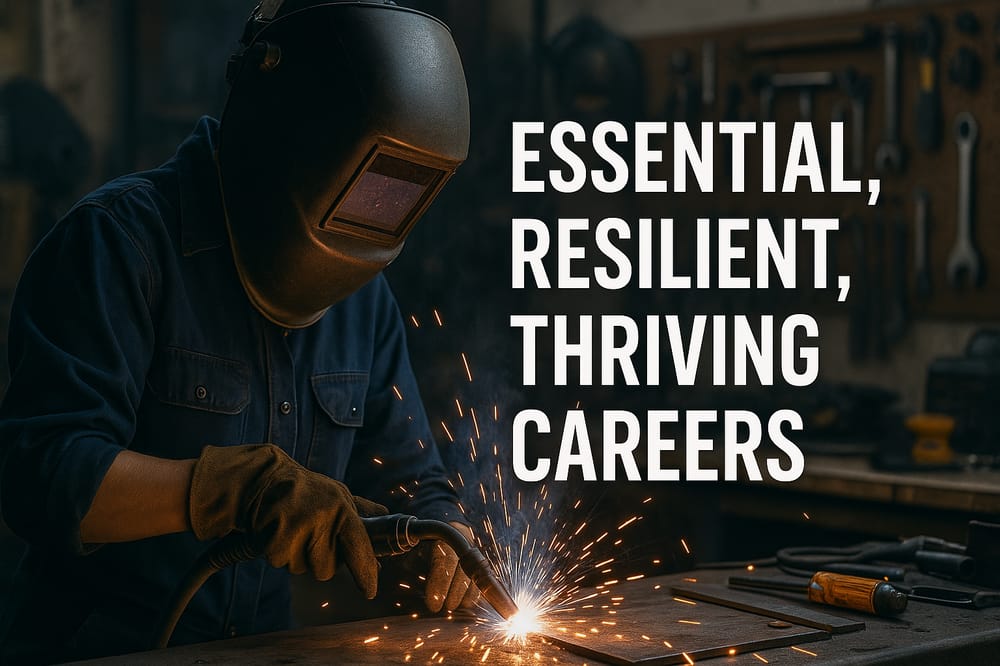
As artificial intelligence continues redefining industries, it’s becoming increasingly clear that some job sectors are more resilient than others. While the initial wave of automation inspired a massive push toward coding and tech, advancements in AI have changed the game. Coding, once a bastion of job security, is now being reshaped by the very technology it helped create. However, there’s a silver lining—America’s skilled labor workforce is experiencing a reinvigoration.
Mike Rowe, the advocate for rolling up one’s sleeves and getting to work, has long emphasized the importance of trades like plumbing, welding, and electrical work. These careers are shielded from automation’s reach because their hands-on nature and human skill requirements are irreplaceable. For marketers, this presents a unique opportunity to empower a much-needed cultural shift by promoting these essential roles to broader and diverse audiences
The Resurgence of Skilled Labor
Jobs in trades like carpentry, HVAC maintenance, and automotive repair have been unjustly overshadowed by the allure of digital careers in recent decades. Yet today these professions are emerging as pillars of economic stability. Why the resurgence? The answer lies in the simple fact that infrastructure needs physical hands to operate and grow. Leaky pipes, faulty wiring, and structural repairs cannot be outsourced to machines—they require a skilled professional on-site.
And demand is skyrocketing. According to recent industry reports, the shortage of tradespeople is creating bottlenecks in everything from home construction to public works. What’s changed is not only the value of these jobs but the public’s perception of them. Skilled trades are now seen less as a fallback option and more as a path to lucrative, honorable, and fulfilling careers.
Mike Rowe, through his foundation and public appearances, has been a vocal proponent of celebrating these careers. He argues that the stigma surrounding skilled labor is outdated, and society must recalibrate how it views education and career paths.
“We’re lending money we don’t have to kids who can’t pay it back to train them for jobs that no longer exist,” Rowe once said. His point is that while coding jobs may disappear, the need for a welder or plumber will endure.
For marketers, this is more than a societal shift—it’s a call to action.
How Marketers Can Support the Shift
The skilled labor revival isn’t just about filling positions; it’s about rewriting narratives and connecting people to education, training programs, and career opportunities. Here are some actionable ways marketers can contribute:
1. Create Campaigns That Challenge Stereotypes
The first step is rebranding skilled labor. Unfortunately, outdated stereotypes often depict trades as low-paying or “lesser-than” professions. Smart marketers can lean on storytelling to dispel these myths by highlighting real-life success stories. Showcase tradespeople earning six-figure incomes or working on high-profile projects, such as restoring historic landmarks or building cutting-edge sustainable energy systems.
Marketers can use digital platforms to amplify these stories, targeting specific audiences like high school students, career changers, or even parents who influence career choices.
2. Promote Trade Schools and Apprenticeship Programs
Four-year colleges have dominated the post-high school conversation for decades, but the rising cost of tuition has made vocational schools and apprenticeships far more attractive options. Marketers can establish partnerships with trade schools and apprenticeship programs to create tailored campaigns.
For example:
- Social media ads featuring real trade school graduates and their stories.
- Video testimonials showcasing the fast ROI of vocational programs compared to traditional degrees.
- Free downloadable guides on “How to Start a Career in Skilled Trades.”
3. Leverage SEO for High-Demand Roles
SEO can play a vital role in connecting potential workers with opportunities. Marketers should focus on optimizing for search terms like:
- “High-paying trade careers.”
- “How to become a welder.”
- “Electrician training near me.”
Content such as blog posts, career path guides, or checklists can rank well and provide immense value to searchers.
4. Target Diverse Audiences
Skilled labor has traditionally been male-dominated, but there’s an increasing effort to break these barriers. Marketing campaigns should be inclusive, encouraging individuals from all genders, ethnic backgrounds, and age groups to consider these careers.
For instance:
- Highlight women excelling as electricians or contractors in social media campaigns.
- Partner with community organizations to reach underrepresented groups through workshops or webinars.
- Develop multilingual materials to engage non-English-speaking legal immigrant communities.
5. Align with Economic Trends
Marketers can align skilled trades with hot-button topics such as sustainability, economic resilience, and automation-proof careers. Plumbers, for example, could be positioned as sustainability heroes who install eco-friendly water-saving systems. Electricians might be tied to the growing renewable energy sector, installing and maintaining solar panels and energy-efficient solutions.
When framed in terms of these larger trends, skilled labor becomes an exciting, future-facing domain.
6. Invest in Emotional Storytelling
Everyone loves stories of transformation, and skilled labor is filled with them. A campaign centered on someone who went from an uncertain future to owning a successful HVAC company can resonate deeply. Use before-and-after visuals, quotes from their own words, and snippets of their craft to create an emotional connection.
7. Utilize Data to Showcase Demand
Numbers don’t lie. Highlight statistics that illustrate the growing need for skilled tradespeople and the competitive wages they command. For instance:
- “The average salary for a licensed electrician is $60,000+, with high demand across the nation.”
- “Welders can earn up to $100,000 with specialized certifications.”
Back these claims with graphics and infographics for maximum engagement.
The Bottom Line
The shift from promoting tech careers to encouraging skilled labor positions is not an end but an evolution—a pivot toward recognizing true societal needs. From construction sites to clean energy projects, the demand for skilled craftsmanship is only growing stronger.
Marketers hold the tools to spotlight these opportunities, connecting people to thriving careers in trades. Through campaigns that challenge stereotypes, celebrate diversity, and offer education, marketers can play a pivotal role in reshaping how society values skilled labor.
The message is clear. Coding may be automated, but craftsmanship will always require the human touch.
Action Steps for Marketers:
- Partner with vocational schools to create awareness campaigns.
- Use real-life success stories to humanize skilled trades.
- Break down stereotypes using inclusive marketing tactics.
- Focus on SEO optimization for job and training-related terms.
- Align campaigns with larger trends like sustainability and automation.
It’s time to look beyond the keyboard and into the workshop. The future is being built—quite literally—by skilled hands.
Subscribe to our blog at the link on the top of this page to keep up to date on all things digital marketing.


Tim Hewitt, Author
Tim is a Freelance Digital Marketer who specializes in helping other marketers to find ways to earn online. When you are frustrated with your prior efforts, Tim will help you find the way!
Copyright © 2026, The Digital Marketing Buzz | All Rights Reserved.