Receive Daily Blog Emails
You agree to receive daily blog emails a link to the full blog contents. You can unsubscribe at any time.
Be Sure To Check Your SPAM Folder For Your Welcome Message and WHITELIST Our Email So It Doesn't Go To SPAM In The Future!
Do You Really Need an ISBN for Your Book? A Guide for Digital Marketers
Sunday, July 27, 2025
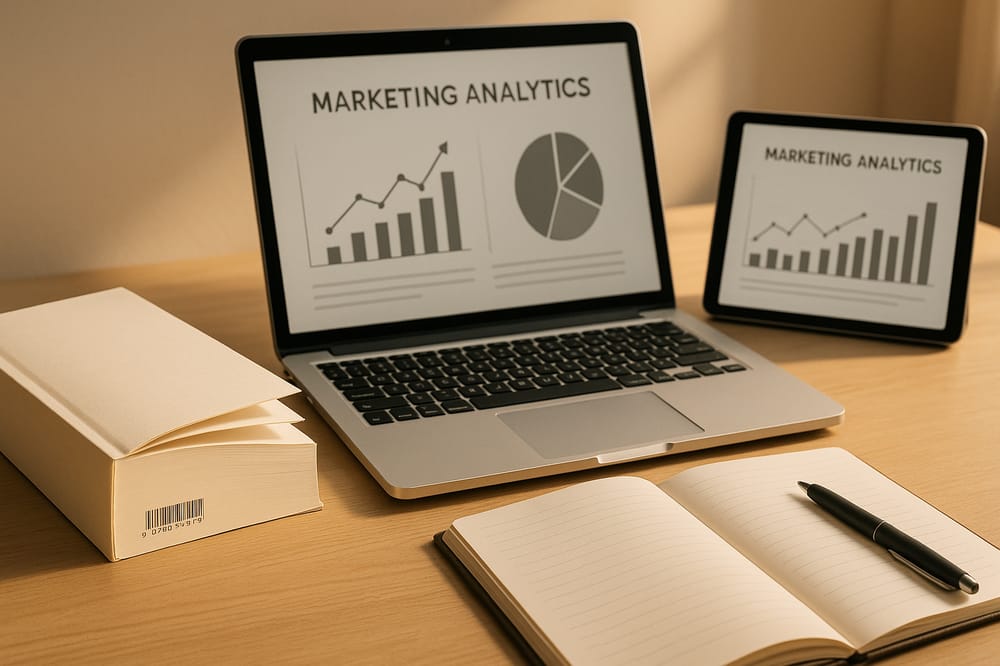
When you decide to write a book as a digital marketer-whether it's a lead magnet or a revenue-driving product-ISBNs might not be the first thing on your mind. Yet, understanding when you need an ISBN and how to leverage it strategically can make a big difference, especially when choosing between printing options or distribution channels like Amazon, Barnes & Noble, or Lulu. Here’s everything you need to know about ISBNs, tailored specifically to marketers like you.
What Is an ISBN and Why Does It Matter?
ISBN stands for International Standard Book Number, and it's essentially a unique identifier for your book. Think of it like a fingerprint, helping retailers, libraries, and distributors catalog your book correctly.
If your goal is to sell your book in retail outlets, work with large distributors or wholesalers, or add it to library collections, your book will need an ISBN. Without one, it’s nearly impossible to distribute books at scale or legitimize their presence in cataloging systems like Books in Print. An ISBN also enhances your professional credibility-it signals to readers and buyers that your book is a market-ready product.
But here’s the catch-not every book needs an ISBN, especially if it’s being sold in nontraditional ways.
When You Don't Need an ISBN
ISBNs are essential for wide-scale visibility in traditional sales channels, but there are significant exceptions:
Self-Published and Self-Sold Books
If you're printing books yourself and selling them directly (like through your website, at live events, or through personal outreach), you do not need an ISBN. This works well for marketers using their book as a lead magnet or for sales tied exclusively to their funnel.
eBooks Without Distribution Requirements
If your book is digital and distributed exclusively as a lead magnet-say, via email opt-ins or online funnels-it doesn’t require an ISBN. However, eBooks sold through platforms like Apple Books often require an ISBN for listings.
When deciding if you need an ISBN, ask yourself where your book will "live" and how you'll reach your audience.
Free ISBN Options from Publishers Like Amazon and Barnes & Noble
For marketers utilizing platforms like Amazon KDP or Barnes & Noble Press to print or distribute books, free ISBNs are an appealing option. These platforms allow you to select an ISBN at no cost, making it easier to get your book uploaded and available for sale quickly. But before you hit “accept,” consider the pros and cons:
Pros of Free ISBNs
No upfront cost
Self-publishing is expensive enough, so cutting ISBN expenses makes it easier to stick to your budget.
Hassle-free registration
You don't need to register or manage the ISBN yourself-the platform handles the process.
Cons of Free ISBNs
Lack of ownership
Free ISBNs are tied to the specific platform that issued them. For example, an Amazon-issued ISBN locks your book into Amazon’s ecosystem, meaning you can’t use the same ISBN to distribute on other platforms like Barnes & Noble or independent retailers. If you’d like to expand your book’s reach later, you’ll need to purchase a new ISBN.
Perception of professionalism
Some readers equate a free ISBN with self-publishing, which might not align with a polished, professional brand image you want to project.
If you plan on selling your books across multiple platforms or want to retain full ownership of your book’s rights, purchasing your own ISBN through official agencies like Bowker (in the U.S.) might be a better choice.
What About eBooks?
While eBooks don’t always require an ISBN, some sales channels mandate them. Amazon, for example, does not require ISBNs for Kindle eBooks, as they assign their proprietary ASIN instead. However, if you plan to sell eBooks via multiple platforms such as Apple Books or Kobo, adding an ISBN can simplify the publishing process and centralize your metadata.
For marketers distributing eBooks solely as lead magnets or within their own customer funnels, you can happily skip the ISBN altogether.
Using Books as Lead Magnets or Paid Products
Marketers have long recognized books as a powerful tool to build authority and engage audiences. Here are two strategies to make the most of your book and where ISBNs fit in:
1. Lead Magnets
Books are an irresistible lead magnet that provides tremendous perceived value. Whether offered as a free eBook or part of a “free plus shipping” funnel, ISBNs are often irrelevant for this strategy. Since you’re controlling the distribution, there’s no requirement for cataloging or retail listing, and you can forgo the ISBN process entirely.
Pro Tip: Make your book visually appealing and professionally edited. A polished product increases opt-in rates and bolsters credibility.
2. Revenue-Driving Funnels
If your book is a product you intend to sell seriously, whether it’s on your site or with a Print-on-Demand (POD) publisher like Lulu, investing in an ISBN becomes more critical. For global distribution, an ISBN allows your book to be indexed in online and offline stores, increasing its availability.
Companies like Lulu make it easy to pair your ISBN with professional printing services to distribute globally or offer premium physical books within your funnel.
Pro Tip: If profitability is your goal, consider the scalability of your ISBN decision. Starting with a free option is fine, but plan for a seamless upgrade to a paid ISBN if you plan to expand.
How to Decide if ISBNs Are Right for You
Ask yourself the following questions to determine whether your book will benefit from an ISBN or save your resources for other strategies:
Where will your book be sold?
If the answer is exclusively through your own funnel or for lead generation only, you can skip the ISBN. For retail distribution, it’s essential.
Will you publish on multiple platforms?
If you're only publishing on one platform and never plan to expand, a free ISBN is fine. Otherwise, purchase an independent one.
What’s your goal with the book?
For lead generation, the simple route is best. For a long-term, professional product that scales, get an ISBN to align with future growth.
Final Thoughts
ISBNs might seem like a small detail, but they play a big role in setting up your book for success. For digital marketers, the key is aligning your ISBN strategy with your broader goals—whether you’re creating a powerful lead magnet to fuel your funnel or driving significant profits with a POD setup like Lulu.
Books can elevate your position as an authority, amplify your marketing strategies, and even drive revenue. Whatever your approach, consider ISBNs a smart investment when you’re ready to scale—and a minor detail when you’re testing the waters.
Subscribe to this blog at the top of the page to receive daily update emails so you don't miss a thing!


Tim Hewitt, Author
Tim is a Freelance Digital Marketer who specializes in helping other marketers to find ways to earn online. When you are frustrated with your prior efforts, Tim will help you find the way!
Copyright © 2026, The Digital Marketing Buzz | All Rights Reserved.