Receive Daily Blog Emails
You agree to receive daily blog emails a link to the full blog contents. You can unsubscribe at any time.
Be Sure To Check Your SPAM Folder For Your Welcome Message and WHITELIST Our Email So It Doesn't Go To SPAM In The Future!
Controversial Marketing Spotlight: The Trump 'American Eagle' Billboard Strategy
Tuesday, August 05, 2025
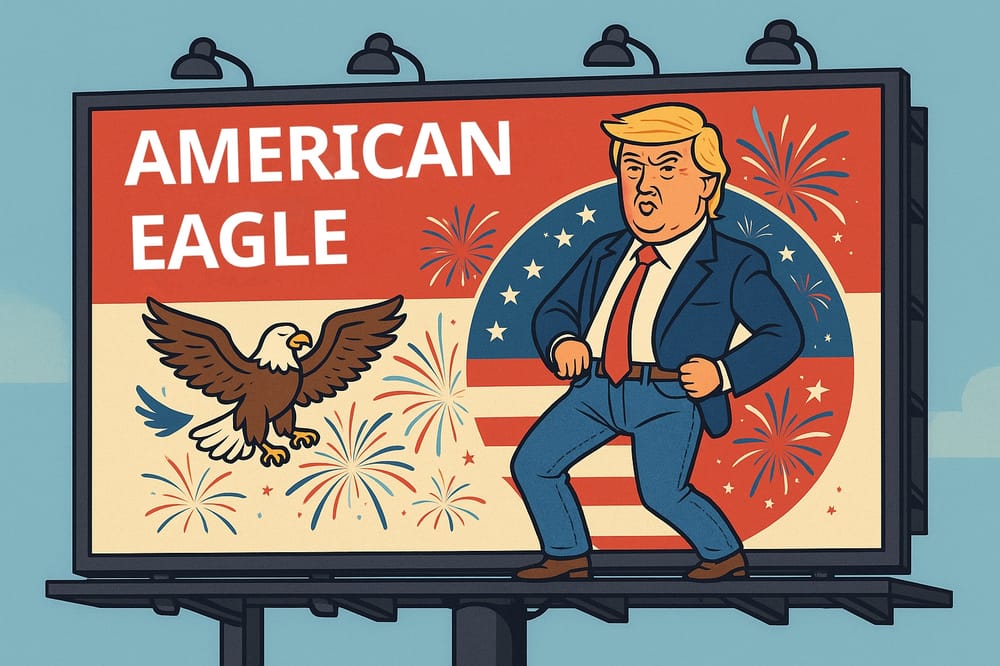
When it comes to marketing campaigns, controversy often walks a fine line between driving attention and alienating your audience. A recent example is the polarizing use of President Donald Trump’s image on a billboard paired with the tagline "American Eagle." This campaign sparked heated discussions, raising ethical questions while also showcasing the potential power of divisive messaging.
Here, we’ll explore the ethical implications, audience engagement impacts, and the pros and cons of leveraging controversial figures or trends, concluding with actionable advice on how to incorporate these strategies responsibly.
Is Polarization an Effective Marketing Tool?
Marketing thrives on standing out, but using a polarizing figure like Donald Trump inherently divides audiences. Controversial campaigns like this billboard attempt to harness strong emotional responses—whether positive or negative—to fuel engagement and conversation. The resulting buzz can spark virality and brand visibility, but not without consequences.
Ethical Considerations
1. Exploitation vs. Expression
Using a well-known political figure for commercial purposes often feels exploitative. Even subtle endorsements can imply alignment with divisive ideologies, forcing brands to answer tough moral and ethical questions.
2. Audience Perception and Alienation
Associating your brand with polarization risks alienating segments of your audience. While some customers may see the campaign as bold or thought-provoking, others might perceive it as manipulative or offensive. Trust in your brand could be compromised for short-term gain.
3. Cultural and Political Sensitivities
Marketing campaigns exist within a societal context. Referencing divisive leaders—no matter their influence—can trigger deeper societal issues that many prefer to avoid engaging with through branding.
Impact on Audience Engagement
Does polarizing marketing hurt or help your brand? That depends on your objectives and your ability to manage public perception.
Potential Upsides:
- Heightened Brand Awareness
Controversial campaigns almost always attract media attention. Whether through headlines, social media discourse, or word of mouth, awareness skyrockets—albeit unpredictably.
- Audience Connection via Shared Values
If the messaging aligns with a significant portion of your audience's values, the campaign can solidify loyalty among those who feel represented.
Risks:
- Negative Public Backlash
Viral campaigns that touch sensitive topics risk becoming PR disasters if the public deems the content insensitive or unnecessary. Boycotts and reputation damage can be difficult to overcome.
- Misperception of Brand Values
Brands risk being pigeonholed as politically aligned, even when the messaging wasn’t intentional. Once audiences form opinions about your values, regaining neutrality may feel impossible.
Pros and Cons of Leveraging Polarizing Figures in Marketing
The Pros
1. Instant Visibility
Polarizing figures spark conversations, increasing your campaign’s organic reach with little additional effort.
2. Appealing to a Niche Market
If your primary audience shares strong sentiments about a public figure or movement, aligning your brand with that stance can create a stronger emotional bond.
3. Trend Association
Pairing your brand with widely discussed cultural topics may signal relevance, modernity, and fearlessness.
The Cons
1. Potential for Divisive Messaging
Polarization can just as easily repel as attract. If not handled delicately, campaigns may ostracize a large portion of your target market and beyond.
2. Short-Term Gains at Long-Term Costs
Intensified visibility comes with unpredictable exit paths. The buzz fades quickly, but the lasting perception (whether good or bad) will shape your brand’s reputation long-term.
3. Legal and Ethical Risks
Referencing or using the likeness of public figures requires clear permission. Missteps may lead to legal battles in addition to reputational fallout.
Actionable Advice for Responsible Marketing
Regardless of your stance on controversial campaigns, the decision to leverage them as a marketing strategy demands meticulous planning and awareness. Here are some tips to ensure responsibility:
1. Understand Your Audience Inside and Out
Use data-driven insights to evaluate how your target demographics might respond to polarizing content. Would certain segments disengage or feel alienated?
2. Evaluate the Brand Fit
Does the figure, topic, or message align with your business’s mission and core values? If not, forcing the connection may seem opportunistic.
3. Test Reaction on Smaller Campaigns
Before scaling the concept, pilot the campaign with a controlled audience segment to gauge reactions. Use A/B testing to measure the level of approval versus criticism.
4. Provide Context and Intent
If you choose to touch on controversial territory, openly communicate the campaign’s intent. Transparency fosters understanding and might mitigate backlash.
5. Prepare for Backlash
Draft contingency plans for potential public criticism. A well-prepared brand is more likely to recover swiftly if a campaign backfires.
6. Stay True to Values
Never compromise your brand identity for temporary buzz. Authenticity resonates with consumers far longer than fleeting trends.
Final Thoughts
Marketing campaigns that employ polarizing figures or trends are high-risk, high-reward endeavors. While these campaigns may drive engagement, they must be approached strategically, with clear intentions and deep respect for audience sentiment.
By balancing boldness with responsibility, marketers can create campaigns that resonate without alienating their core audience. After all, lasting impact isn’t just about getting people to notice your brand—it’s about making them feel confident in what it stands for.
We have a very straightforward program that will teach you what you need to know for Affiliate Marketing. It’s a 5 day training for only $14, and you can find it at this link. Take a chance, learn what affiliate marketing is all about, and reach out to me for any other questions you might have.
Disclaimer: If you click on links we provide and make a purchase, we may receive compensation. There is never any guarantee of income in any of the links or programs we provide.


Tim Hewitt, Author
Tim is a Freelance Digital Marketer who specializes in helping other marketers to find ways to earn online. When you are frustrated with your prior efforts, Tim will help you find the way!
Copyright © 2026, The Digital Marketing Buzz | All Rights Reserved.