Receive Daily Blog Emails
You agree to receive daily blog emails a link to the full blog contents. You can unsubscribe at any time.
Be Sure To Check Your SPAM Folder For Your Welcome Message and WHITELIST Our Email So It Doesn't Go To SPAM In The Future!
Building Trust With a Faceless Brand: Strategies That Actually Work
Sunday, May 11, 2025
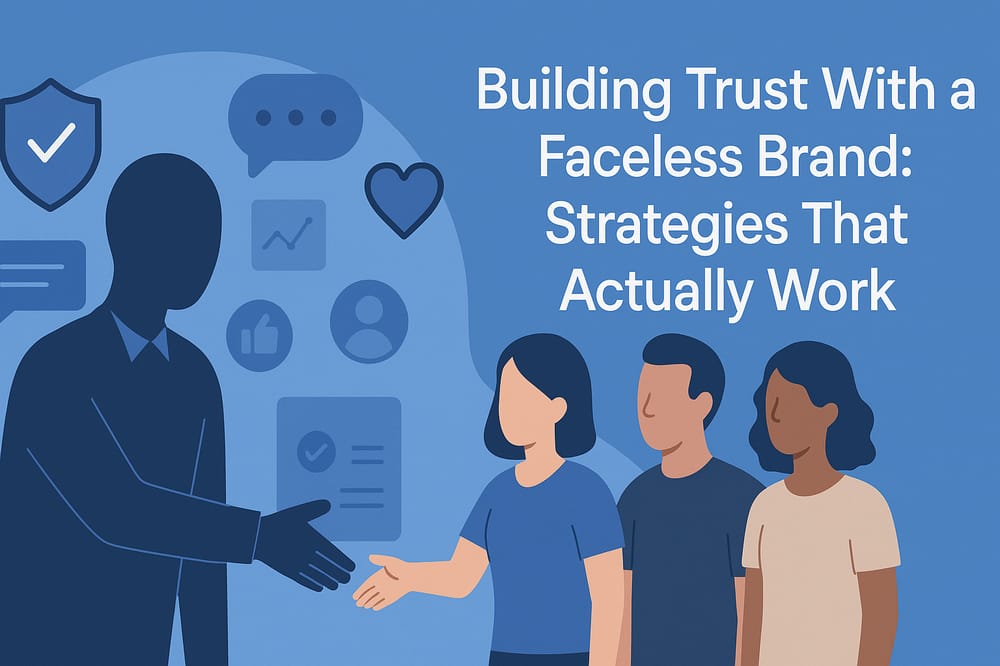
For digital marketers and affiliate marketers, capturing consumer trust is everything. But how do you establish credibility when your brand doesn’t have a “face” or a charismatic founder to front your campaigns? From e-commerce giants to digital-first product launches and viral affiliate sites, faceless brands are thriving—but only when trust is carefully and strategically built.
This guide will walk you through why faceless brands often struggle with trust, practical strategies that bridge that trust gap, and actionable tips to help you turn browsers into loyal customers.
Why Is Trust Harder for Faceless Brands?
The Power of Human Connection
Consumers naturally gravitate toward brands they find relatable. Faces, stories, or personalities serve as social proof and humanize what could otherwise feel like a nameless, impersonal entity. Research from Edelman shows that 81% of consumers say trust is a deciding factor in their purchase decisions. Yet faceless brands, by design, skip the familiar approach of “meet our founder” or “about our team,” and risk feeling distant or corporate.
The Rise of Faceless Brands
The trend toward anonymity is growing. Drop-shipping businesses, affiliate websites, SaaS tools, and even lifestyle brands are increasingly opting for sleek logos and brand names rather than putting people in the spotlight. The benefits? Scalability, flexibility, and sometimes even safety or privacy for creators. But without careful work, trust can erode.
Core Strategies to Build Trust as a Faceless Brand
Trust isn’t about showing your face. It’s about clear signals of credibility, consistency, and care. Here’s how leading digital marketers solve this challenge:
1. Leverage Authentic Customer Testimonials and Reviews
- Showcase Real Experiences: One of the quickest ways to compensate for an absent founder or team is to highlight your customers. Use verified purchase reviews, photo submissions, and unedited testimonials throughout your site.
- Third-party platforms count: Sync your store with review aggregators like Trustpilot, Google Reviews, or Yotpo. Don't cherry-pick only 5-star feedback; thoughtfully display a range of experiences and your professional, prompt responses to less-than-stellar reviews. This signals honesty and reliability.
- Social proof statistics: Publish stats about happy customers, repeat buyers, or ratings (e.g., Rated 4.9/5 by over 2,000 satisfied customers).
2. Focus on Radical Transparency
- Document your processes: If you don't have a founder story, narrate how your products are made, what your sourcing process looks like, or exactly how your service works. Use videos or behind-the-scenes blog posts to demystify your offering.
- Be upfront about pricing and policies: Hiding fees or making returns hard erodes trust faster than almost anything else. Clearly explain shipping times, return/refund policies, and what happens if a customer isn't satisfied.
- Own mistakes: If there's a supply chain hiccup or a technical outage, address it openly and explain what you're doing to fix it. This builds goodwill, even without a face.
3. Invest in Brand Consistency
- Cohesive messaging: Your tone, messaging, and visuals should be harmonious wherever your brand appears. Consistency signals organization and reliability, which customers subconsciously read as trustworthy.
- Visual cues: Use a professional website design, high-quality photography, and on-brand color palettes. Avoid generic stock images whenever possible.
- Content standards: Even faceless brands need editorial guidelines. Consistent, helpful blogs, FAQs, and product pages help reduce uncertainty.
4. Prioritize Security and Privacy
- Data transparency: Detail the ways you protect customer data. Highlight secure checkout processes (SSL certificates, trusted third-party payments) and commit to never selling customer information.
- Mention certifications: If your operations are GDPR-compliant or you use ISO-certified hosting, tell your customers. These badges speak volumes.
5. Engage Through Education and Value
- Educational resources: Blogs, tutorials, downloadable guides, and video explainers show that your brand exists to inform and help. Even if there's no face, this value-first approach encourages trust.
- Authority-building content: Commission or reference industry studies, expert opinions, or whitepapers. Comprehensive, well-researched content positions your brand as a thought leader in your space.
6. Build Community Around Shared Values
- Facilitate conversation: Launch forums, Facebook groups, Discord channels, or hashtag campaigns where customers (not necessarily you) talk, share solutions, and trade experiences.
- Highlight user-generated content: Showcase customer photos, stories, or use cases. This is powerful for both digital and affiliate marketers.
- Support causes: Be explicit about the values you support, whether it's environmental, social, or otherwise. Show concrete actions rather than just statements.
7. Make Customer Support Your Brand’s “Face”
- Multiple support options: Offer live chat, email, and even phone support for higher-ticket products. Fast, helpful, and empathetic responses win more trust than a static about page.
- Proactive outreach: Follow up with first-time customers, send post-purchase tips, or check in if an order is delayed.
- Human language: Even if you're automating responses, avoid robotic scripts. Conversational, personable replies make a difference.
8. Partner With Recognized Entities
- Feature in established media: Highlight features or quotes from reputable publications. Logos like as seen in Forbes/Inc/Wired provide instant credibility.
- Influencer and affiliate collaborations: Strategic partnerships, guest posts, and co-branded campaigns with trusted figures can borrow their trust capital for your brand.
- Certifications and awards: Badges, official partnerships, or awards from industry bodies validate your expertise and trustworthiness.
Examples of Trust-Building in Faceless Brands
Example 1: The Anonymous Affiliate Review Site
An affiliate marketer runs a faceless gear review blog. They establish trust by:
- Transparently disclosing affiliate relationships.
- Curating user-generated reviews.
- Standardizing review criteria and scoring.
- Publishing earnings reports and warts-and-all case studies.
Example 2: E-commerce Store With No “About Us” Photos
A DTC (direct-to-consumer) beauty brand sells only under a brand name. Instead of showing their team, they:
- Produce detailed video content explaining the formulation and testing process.
- Prominently display dermatologist endorsements.
- Showcase hundreds of customer before-and-after photos.
- Offer 24/7 text support and quick refunds, no questions asked.
Example 3: SaaS That Doesn’t Spotlight Founders
A SaaS automation tool doesn’t have a leadership section. It builds trust by:
- Collecting testimonials integrated with user LinkedIn profiles.
- Producing case studies from recognized client companies.
- Ensuring 99.99% uptime and publishing regular security audit summaries.
Common Pitfalls to Avoid
- Being too mysterious: "Who runs this brand?" is not the question you want your audience asking. Be open about everything but your headshots.
- Ignoring negative feedback: Not responding to criticism signals evasion or indifference.
- Overusing automation: Bots have a place, but nothing replaces a human touch in support or community moderation.
- Unclear policies or missing contact info: The harder you make it to reach you, the faster trust evaporates.
Moving Forward: Action Steps for Building Trust as a Faceless Brand
Building trust without a public persona isn’t just possible; it can even be a strategic advantage for digital marketers and affiliate marketers. Focus relentlessly on transparency, consistency, and genuine value. Make customer voices louder than your own, and prioritize helpfulness and honesty at every step of the funnel.
Actionable Next Steps:
- Audit your website and communications for transparency gaps.
- Invest in gathering and prominently displaying customer feedback.
- Ensure your privacy, security, and support policies are clear and visible.
- Build a content calendar focusing on educational and authority-building topics.
- Explore ways to foster community and user engagement outside your site.
The takeaway? Faceless doesn’t have to mean anonymous, and trust is built on what you do—not just who you are (or aren’t) willing to show.
We have a 5 day baseline course that will teach you about online business success models that have worked for tens of thousands of students, as well as how to succeed as a faceless business. Check it out at this [link]
Disclaimer: If you click on links we provide and make a purchase, we may receive compensation. There is never any guarantee of income in any of the links or programs we provide.


Tim Hewitt, Author
Tim is a Freelance Digital Marketer who specializes in helping other marketers to find ways to earn online. When you are frustrated with your prior efforts, Tim will help you find the way!
Copyright © 2026, The Digital Marketing Buzz | All Rights Reserved.